
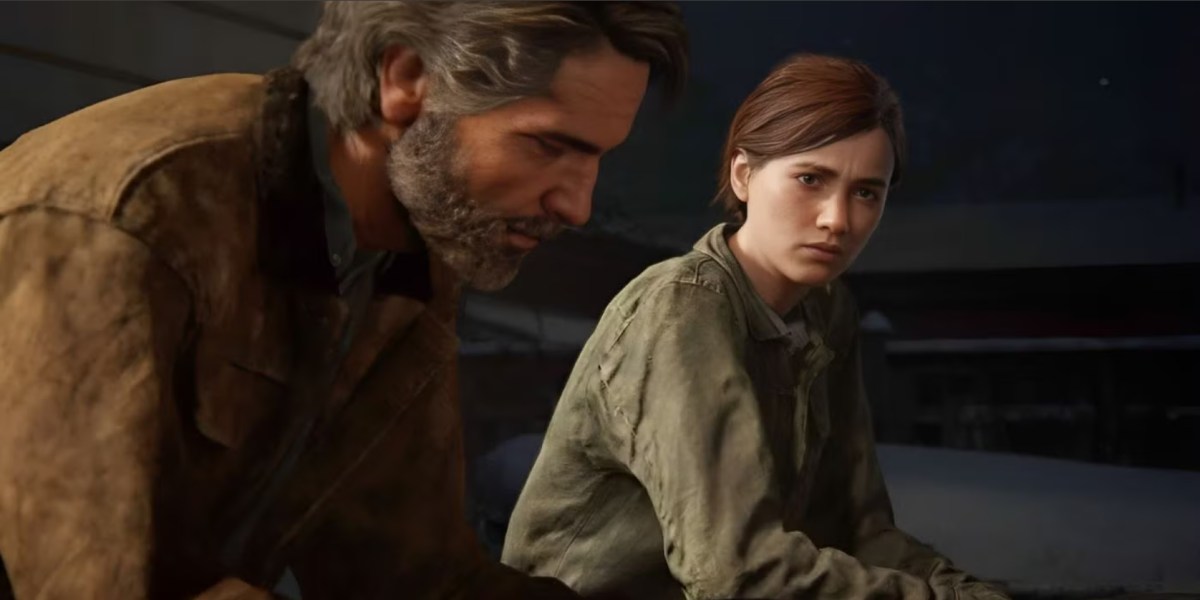
The Last of Us Part II is an amazing video game. Though its story choices still remain controversial to this day, the lessons the story teaches are grounded and spectacularly human in a post-apocalyptic wasteland of the United States.
Five years after the game’s initial release, I’ve played through The Last of Us Part II exactly twice. The initial playthrough in 2020 where I experienced the twist and everything that came after for the first gut-wrenching time. The first time I played through it, I respected the game for its choices, liked it but didn’t love it, and didn’t know when the next time I would play it again.
The second time I played through this story was just a few months ago in preparation for HBO’s television adaptation The Last Of Us which was set to tell the first part of the second game.
This second playthrough, knowing what happens to the characters and being able to accept it, made me love the second game and appreciate the story that was being told through it even more.
Ellie’s journey for revenge turning into Abby’s story of redemption and survival teaches us that while the more animalistic qualities of humans can surface, our ability to forgive and love are still what we’re greatest at.
I got caught up on the season finale of The Last of Us Season 2 the other day. After watching seven episodes (which is too short of a season, but I digress), it’s safe to say that the way this story is experienced is still best told on gaming consoles rather than on television.
This blog will get into spoiler territory for both the show and the game, so if you want to stay fresh on those, this is your time to escape. You’ve been warned.
One of the biggest issues I had with the show version of The Last of Us Part II was when and how Abby is introduced.
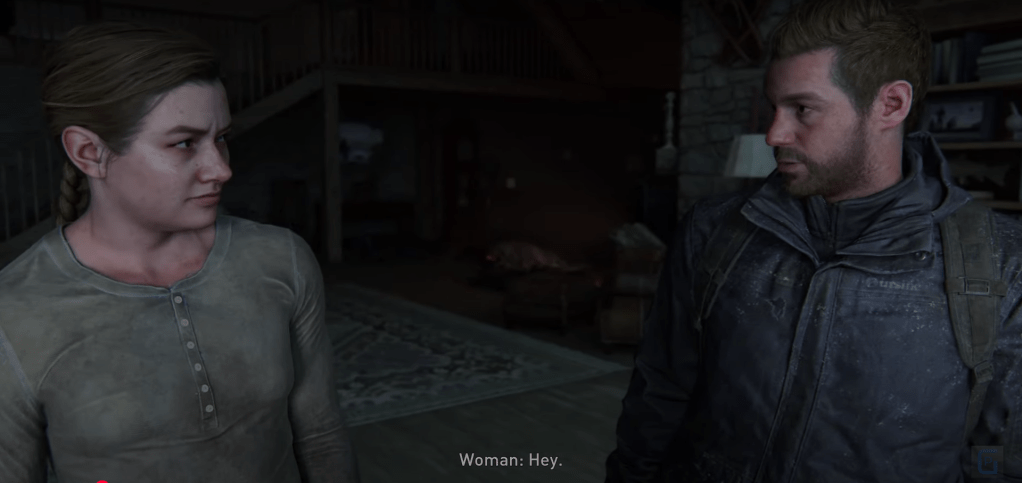
Abby, portrayed by Kaitlyn Dever in the television show, is introduced in the very first episode of the season. While game Abby is also introduced early on, you don’t know who she is, what she’s doing, or how she’s involved in the plot at all.
If you have subtitles on for the early game of TLOU2, Abby and her crew are listed as “Woman” or “Man.”
Despite disagreeing with when Abby was introduced, I wanted to let the season play out to see how they’d balance the two stories the game features: Ellie and Abby.
However, the show continues to follow Ellie’s perspective from the game. Abby gets her moments in the first two episodes, making even players of the game surprised at how the story was experienced differently between game and show:
The above tweet was my reaction to the big moment from both game and show that has divided the fan base for five years: Abby killing Joel less than an hour into the video game and less than two episodes into the second season.
I would argue that the battle in Jackson is cooler than the basic patrols that lead to the brutal moment in the game, however, the death scene itself is still supreme in the game.
Not just because it’s surprisingly less gratuitous with its violence, but also because we had no idea who Abby was or what was going to happen.
Yes, players of the game and the curious folks who couldn’t help themselves knew what was going to happen before the season even started. However, those that didn’t know what was going to happen knew from Episode 1 of this season who Abby was and what she wants to do because, she just says it:
“When we kill him, we will kill him, slowly.”
While this doesn’t take the stakes out of Joel’s death, Joel’s death works much better when you have no idea who the hell Abby is.
You don’t find out that Abby is the daughter of the doctor in the hospital until halfway through the game, when you finally take over Abby’s perspective after making it to the end of Ellie’s Three-Day Seattle journey.
To that point, which was mirrored almost identically in the show, that’s the first time you see Abby since Joel’s death scene. As Ellie hunts her, she becomes much more of a goal rather than a character until you experience her story yourself.
But let’s break down the game and show versions of the final scene:
They occur almost identically, which I applaud the show for doing. The problem is, since we know who Abby is and who her dad was in the show, there’s even more reason to hate her completely than even be at all interested in what happens next.
In the game, when the perspective changes after this moment and you play as Abby, I’ll never forget my reaction the first time I played.
After that scene cuts to black and you continue again moments later as a young Abby, I threw my controller at my desk and said “Fuck this bitch, I don’t want to get to know her!”
What starts off feeling like just a segment of gameplay that will have you back to Ellie shortly, turns into a full adventure through the same 3-day journey in Seattle from Abby’s perspective.
You’re forced to learn her story, who she is, and what the war between the WLFs and the Seraphites actually looks like from the ground level. When Abby meets Lev and Yara, two Seraphite children, her perspective on “Scars” changes and thus, our perspective on Scars changes as well.
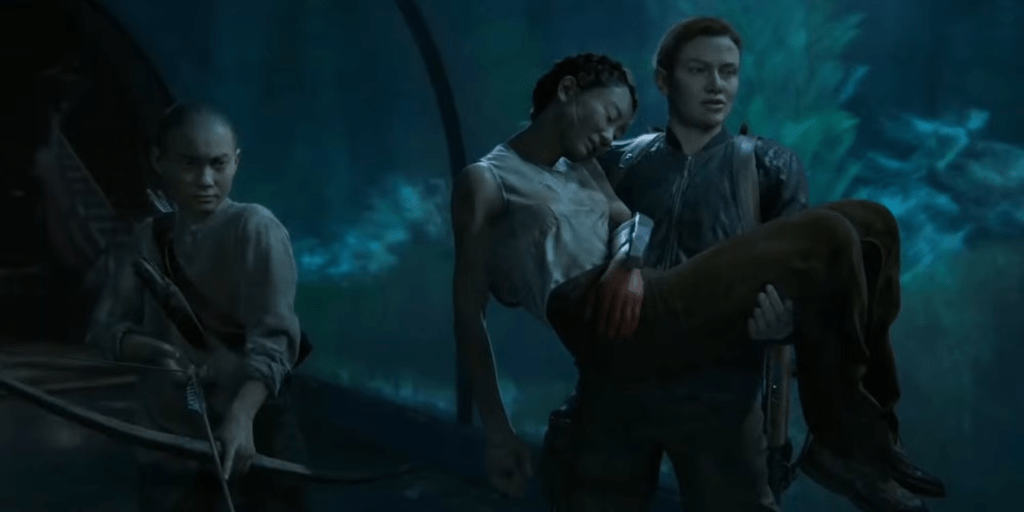
This is all how you grow to actually care about Abby and her story. She protects two of her enemy’s children and risks her reputation and life with the WLFs to save them. You learn that she is a redeemable character as well and that once again, despite the animalistic qualities of revenge, these characters grow, change, love, and forgive.
Because the show told us immediately who Abby was and what her goals were, I fear the audience will not be there for Season 3 of the show. Part of what makes Abby’s story great is the mystery of her from Ellie’s perspective before experiencing Abby’s story for yourself.
The show revealed all the wrong things too quickly and it will affect how Abby’s story is told.
Quickly on the Seraphites vs WLF war, I think the show butchered their introduction as well. Ellie’s encounter with the Seraphites happens like this in the game:
Ellie doesn’t get to know that they have children amongst them, she just sees them as nearly faceless enemies that want to live in the world their way, the no-tech Seraphite way. Anyone that uses firearms is the enemy.
As you play as Ellie, they’re horrifying. You hear them whistle, they barely need light to see, and you can get sniped by a crossbow bolt from anywhere in the dark woods.
You don’t learn more about who they are or that they have children in their ranks until Abby meets Lev and Yara. That’s what makes the Seraphites more interesting. It allows you to see the other side of the fear you experienced when you encountered them as Ellie. You grow to care for them as Abby. It’s a nice duality to the story.
In the show, you’re immediately sympathetic toward the Seraphites. The first scene they’re in shows the massacre of a group of them that includes a child. Ellie and Dina pretty much side with them against the WLFs very quickly because they know the WLF group is the one that kills Joel.
Rather than fear them, you sympathize for them through Ellie’s TV story. This makes Abby’s narrative already weaker heading into the show’s third season. The Seraphite/WLF war is much better through the eyes of Abby rather than Ellie.
So much so, they added in this scene where Ellie nearly gets killed on the Seraphite island right before Isaac’s attack. This moment doesn’t happen in the game. While the writers used it as a tool to show Ellie’s obsessive sense of revenge to get to the aquarium, we didn’t need it. There’s a reason it got cut from the game, it doesn’t really make sense.
I’m not the only one that feels this way.
The island attack is entirely covered in Abby’s side of the story because that’s the climactic conclusion of that storyline before the convergence moment happens and our two characters’ stories come to a head in the theater lobby.
I guess we’ll wait and see how they do Abby’s story in Season 3, but it’s already off to a disjointed and confusing start. While Abby is a controversial character, the strongest aspect to her story is getting to actually care for her.
Because they’ve changed how we view/interpret the WLF and Seraphite war, as well as how Abby is introduced, Abby is already playing from behind further than she already was from her game’s counterpart.
The last thing I’ll talk about is the Joel porch scene:
While the scene plays out perfectly and nearly identically across both mediums, the timing of it is completely and totally wrong. I guess I can understand from a writing standpoint why you wanted to have this closure moment with Joel before the end of this season because next season will primarily be Abby.
BUT: what makes it work is that this scene is the very last scene in the game. This scene tells us that Joel, even in death, was a figure for Ellie to understand forgiveness. She forgave Joel despite him doing what he did to save her. The third act of the game shows Ellie sacrifice everything, including her fingers and her relationship with Dina, to continue her pursuit of Abby.
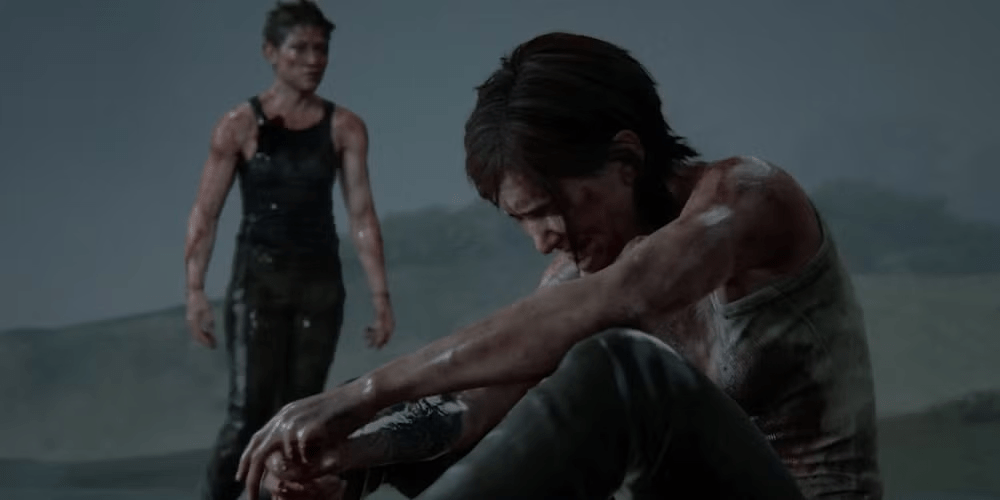
This climactic fight between these two comes after playing through Abby’s story. This comes after realizing that Ellie is being extremely stupid in the face of revenge. While yes, we love Joel and part of us still wants Ellie to exact her revenge, Abby is a character we care for and it makes the final conversation with Joel following this fight stick that much more.
Ellie looks back upon this conversation after failing to play the guitar with her now mutilated hand and realizes that despite Joel being taken from her, she herself regrets pursuing Abby. Forgiveness and love outweigh revenge and hate, even in the world of The Last of Us.

Now that Joel’s conversation with Ellie is in the middle of the show, how is that final lesson going to be taught? Ellie is still the main character of TLOU. While we learn Abby’s back story and her reason for fighting, Ellie’s story is the core of the games and show.
Putting this moment where they did hurts the overall payoff of Ellie’s plot and Abby’s plot combined. The Santa Barbara part of the story alone doesn’t deserve a full season because by that point in the game, it goes by quickly because we get what the main lesson is.
However, the conclusion of the game is still strong because of that Joel scene.
Now? They’re going to have to land a potential 4 season show without one of the best scenes both the game and the TV series has offered so far in their arsenal as a final moral.
When Season 3 inevitably premieres on HBO, I will be there on Day 1.
I love the game series and the story too much even if I have to be disappointed with how the television show has allowed it to play out.
If Craig Mazin and Neil Druckmann are able to pull this out of a nosedive, I’ll be the first to admit I was wrong.
However, as of now after two seasons of the show, it’s clear now more than ever that video games are very much a theatrical medium for storytelling.
Even if you nailed season one of this show as an adaptation to the first game, the overall sentiment in my mind is that The Last of Us is better experienced played vs. watched.
~DS
P.S.
To close out this blog, always listen to Gustavo Santaolalla’s music from this series to calm your nerves:

 The Danny Diaries